A themed café dining experience connects the food, room, menu language, and small service details around a shared idea. The pleasure comes from noticing those connections while enjoying an actual meal. A successful visit still depends on familiar practical questions: what you want to eat, what it costs, and how the visit works.
The theme might suggest a garden, a storybook setting, a period in history, or an imaginary world. It can be subtle or highly theatrical. This article discusses the format in general; it is not a firsthand review of a particular café. The illustrative imagery is AI-generated and does not document an actual venue or menu.
The story begins before the food arrives
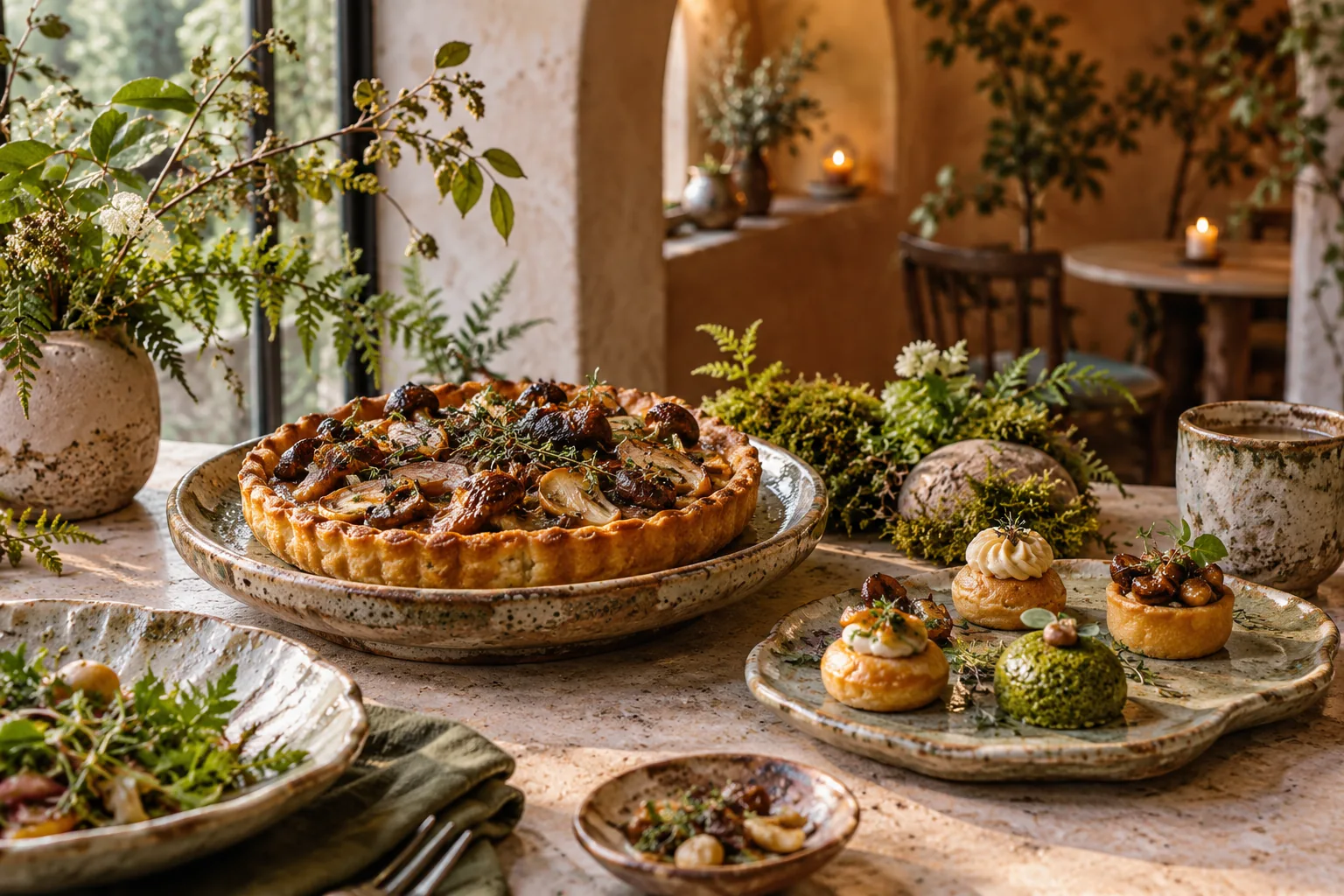
A room can introduce a theme through color, materials, lighting, music, and the way objects are arranged. A garden-inspired café might use botanical shapes or earthy tableware; a fantasy concept might play with scale and unexpected details. These are examples of design approaches, not descriptions of a specific business.
The strongest connection is often between a small number of coherent details. If the room, serving pieces, and menu all suggest the same world, the experience becomes easy to understand. An abundance of props alone does not tell you whether the food will suit your taste or the seating will be comfortable.
The setting creates anticipation; the meal still has to work as food.
Think about which part of the theme interests you. Some visitors enjoy the room most, while others care about shaped desserts, unusual plating, or the social occasion. Knowing your priority helps you decide whether an elaborate destination is worth the planning involved.
Food presentation adds another layer
A themed dish may use color, arrangement, serving ware, or familiar shapes to suggest its story. The visual idea can be delightful without changing the basic flavor. A decorated dessert might still be built around cake, cream, or fruit; a playfully named sandwich may remain a recognizable sandwich underneath.
Ask about the food behind the presentation. Is the main texture crisp or soft? Is the dessert fruit-led, chocolate-based, or very creamy? Are decorative components edible? These questions are more useful for choosing a meal than assuming the most photographed item will be your favorite.
Presentation can also affect practicality. A tall construction may be difficult to share. A delicate decoration may not travel well in takeaway packaging. If you are choosing for children or a group, consider how the item will actually be eaten, not only how it looks when it arrives.
Read past the playful dish name
Themed menu names often carry part of the storytelling. They may allude to an object, setting, or character without identifying the ingredients clearly. Look for a plain-language description underneath. If there is none, ask staff to explain the dish before ordering.
Use the same checks you would use anywhere else: main ingredient, sauce, sides, portion, and any dietary concern. A whimsical label does not establish whether a dish is vegetarian or suitable for an allergy. A familiar shape does not establish the filling. Our restaurant menu guide provides a practical way to separate description from missing information.
Using Toadstool Café as a planning example
Toadstool Café is a useful named example for discussing the difference between menu research and a verified visit plan. Readers considering it can use the supplied third-party guide to Toadstool Café menu and prices as a starting point for questions about the food. This publication has not verified that guide's current listings, and it is not presented here as an official restaurant source.
Before making arrangements, use the relevant venue's official information to confirm where the café is, how access works, and what dining options are currently available. Check menu details and any dietary requirement directly. This article makes no claims about particular dishes, prices, opening hours, reservations, or admission conditions.
The broader lesson applies to any themed destination: keep inspiration and confirmation separate. A guide or photograph can help you decide what interests you. The venue's current information and staff answers are what you need for the practical details of a specific visit.
Plan around the people coming with you
For a family visit, consider appetite, seating, waiting, noise, and familiarity with the food. Some people love a busy decorative environment; others may prefer a quieter table or a shorter visit. Ask the venue about the specific conditions that matter rather than assuming that a playful theme automatically suits every family.
| Planning question | Why it helps |
|---|---|
| Is there a dish each person is willing to eat? | Theme enthusiasm and food preference are different things |
| What access or booking information applies? | The dining plan may involve more than walking in |
| Can staff answer our dietary questions? | Visual presentation does not establish suitability |
| What is our comfortable total budget? | Drinks and optional extras can change the plan |
| What is our backup if the visit cannot happen? | A fallback reduces pressure on a single destination |
Discuss sharing before ordering. One person may want to taste a novelty dessert, while another needs a substantial meal. A shared treat and separate main choices may work better than expecting everyone to order the same kind of food. Confirm portion sizes rather than guessing from photographs.
Decide what value means for this outing
A themed visit may appeal because of the atmosphere, food, social occasion, or a combination. Decide what you are willing to spend on that experience before you see the display. You can enjoy the setting without buying every optional item, and you can choose a straightforward dish if it sounds more appealing.
Compare the complete plan, including any relevant travel or access arrangements once you have verified them. Do not assume those costs apply to every themed café. The useful habit is to identify the actual conditions of your chosen destination rather than copying another visitor's total.
Photograph the meal without interrupting it
Use the light and angle available from your seat. A close view of the plate can communicate the idea without capturing other diners. Avoid standing in walkways, shifting neighboring furniture, or delaying everyone else's food for a long photo session. Ask companions before including them in a public post.
If you share pictures later, describe what you actually ordered and when the visit happened. Avoid presenting an old image as evidence of today's menu. For AI-generated illustrations, identify them as illustrations rather than restaurant photography; a believable visual can otherwise create expectations that the venue never offered.
Themed café questions
Do I need to know the theme beforehand?
Not necessarily. Familiarity may add enjoyment, but food preferences and practical arrangements still matter. Look at the concept and menu to decide whether the outing interests you.
Is the most decorative item the best choice?
It depends on your taste. Read the ingredient description and ask about the flavor. A simpler item may be a better meal for you.
How can I keep expectations realistic?
Separate confirmed details from promotional images, older visitor posts, and third-party summaries. Our café planning checklist helps turn inspiration into a workable visit.
A themed café is most enjoyable when the story and the practical meal support each other. Let the presentation invite curiosity, then choose food and arrangements that fit the people at your table.