Plan a relaxed café visit by checking the menu, operating information, and service format before you leave. Pick one or two possible orders, identify any food requirements that need confirmation, and allow room for the menu to change. A little preparation is useful; a minute-by-minute plan is rarely necessary.
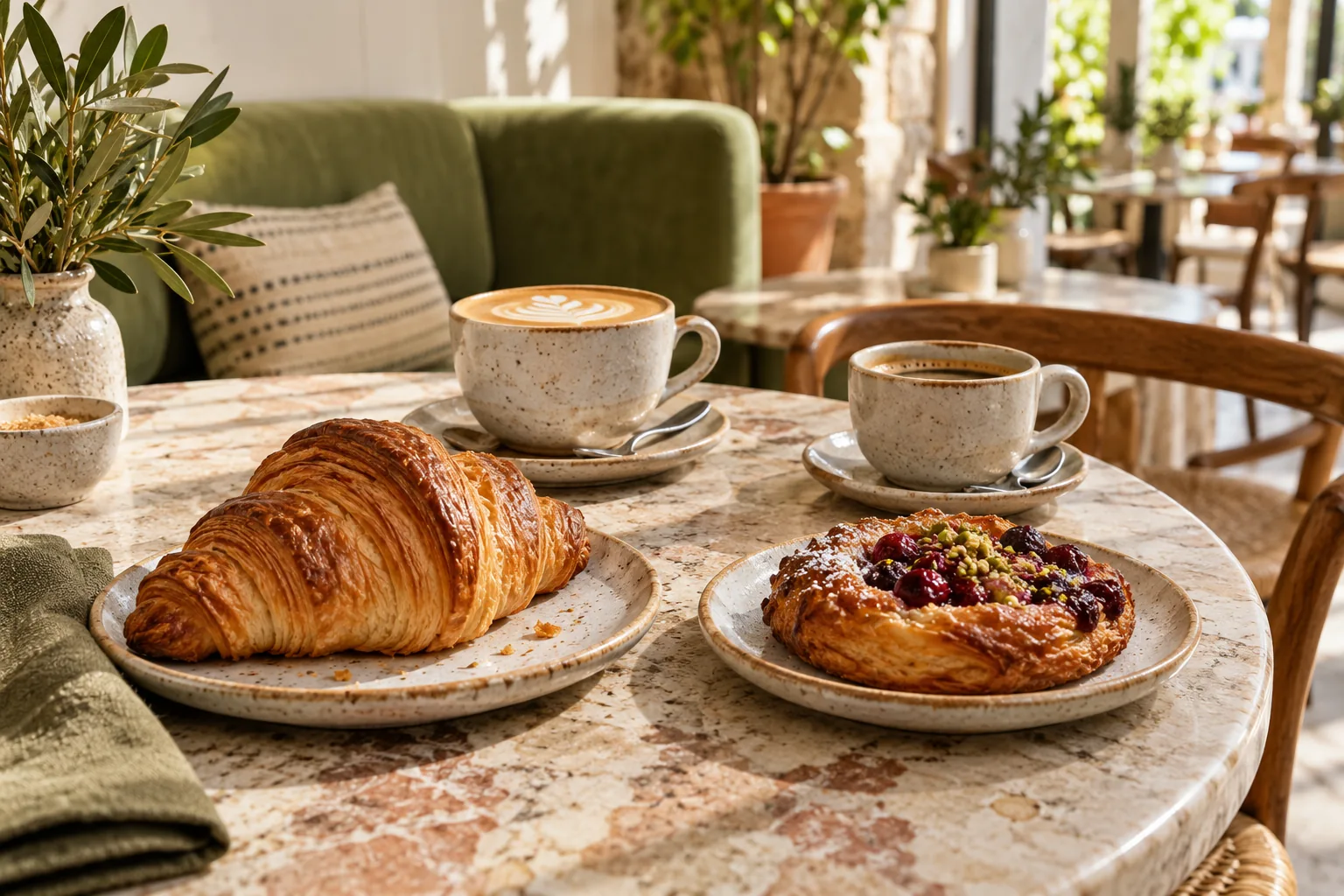
The right café for a quick coffee may not be the right choice for a leisurely lunch or a group with children. Start with what you want from the visit. A comfortable table, a particular food option, an accessible entrance, or a short wait may matter more than a dramatic pastry photograph.
Choose the kind of visit first
Decide whether you are stopping briefly, meeting someone, eating a full meal, or spending time alone. Then identify the one or two conditions that make that visit work. If you need a proper lunch, check more than the drink list. If you plan to work, check the venue's laptop policy and whether the setting is suitable.
Keep preferences separate from requirements. A window seat may be a preference; access needs or a specific food restriction require firmer information. This distinction makes it easier to choose an alternative when your first café is busy or the kitchen has finished serving.
Preview food without treating the preview as a promise
You can explore restaurant menu guides on Latest Menus to collect ideas and questions before a visit. It is a third-party resource. Confirm current dishes, prices, and service details with the café itself rather than assuming a menu guide reflects that day's offerings.
Look for the food that would make the visit worthwhile for you. Does the café appear to serve substantial dishes, small snacks, or mainly drinks? Is a breakfast item available during your intended visit? If the information is unclear, ask the venue. A general opening time does not necessarily establish when every kitchen item is served.
Choose a first option and a workable alternative. This is especially helpful when pastries, specials, or prepared foods may sell out. If one particular dish is the entire reason for going, contact the café before travelling and understand that availability can still change.
Ask clear food questions
Menus may use terms such as vegan, vegetarian, dairy-free, or gluten-free, but the relevant details still need checking for your circumstances. A substitution may change a drink or dish without addressing every ingredient. Plant-based milk in a drink, for example, does not explain the contents of an accompanying pastry.
For a preference, a simple question about flavor or substitution may be enough. For an allergy or other specific dietary need, explain the requirement directly to staff and ask what they can confirm about ingredients and preparation. If the answer is uncertain, do not convert that uncertainty into reassurance.
Ask at the right level of detail: “Which of today's sandwiches have no cheese?” is easier to answer than “What can I eat?” Follow up about bread, sauces, or preparation when those details matter. Our menu-reading guide offers a way to identify the missing information before the conversation.
Check the practical details
Confirm the correct location and the operating information that applies to your intended day. Look for holiday notices or service changes through the café's own channels where available. If your visit depends on a reservation, access arrangement, or specific facility, confirm it directly. Do not infer it from an old photo or another customer's experience.
| Visit type | Useful check | Reason |
|---|---|---|
| Quick stop | Counter service and takeaway options | The ordering format affects the stop |
| Lunch meeting | Food service period and seating | Opening hours alone may not answer either |
| Family visit | Seating needs and suitable portions | A drink-focused menu may not fit the plan |
| Working visit | Laptop policy and table expectations | Not every café is a workspace |
| Access-dependent visit | Specific facilities with the venue | General descriptions may omit details |
Travel plans should include an alternative when the visit is time-sensitive. The backup need not be another elaborate destination. It might be a nearby place to get food or a different meeting time. A fallback makes a closed kitchen or long queue less disruptive.
Think about the complete order
Set a comfortable budget for the visit and consider what you are likely to buy. A drink, a main item, and a pastry can form a different total from the single price that caught your attention. Check sizes and any extra charges for substitutions or additions. Ask about locally relevant service charges or taxes if they are unclear.
If sharing food, choose items that are practical to divide and check portion expectations. Do not assume a beautiful display item is large enough for several people. Equally, a large-looking dish may include components that some people do not want. Discuss the order before reaching the counter when visiting as a group.
Learn the service rhythm when you arrive
Pause long enough to see whether customers order at the counter, wait to be seated, or use another system. Read clear signs and ask if you are unsure. Ordering drinks at one counter and food at another is not unusual, but the arrangement varies. A quick question avoids missed orders and unnecessary queueing.
When the café is busy, keep bags off spare seats and clear the passage around your table. Ask before moving furniture. If staying for a long time, respect any table-use policy and notice whether others are waiting. Considerate behavior is mostly about sharing the available space.
Photography can be part of the pleasure, but it should not interfere with staff or other guests. Keep the camera near your table, avoid blocking walkways, and do not assume strangers want to appear in your images. Put the phone down when the food arrives if taking more pictures would make the meal less enjoyable.
Avoid common ordering mismatches
Drink names and sizes vary between cafés. If strength, sweetness, temperature, or milk choice matters, ask about the specific version rather than relying on the name alone. Confirm whether food is served warm, whether a side is included, and whether takeaway packaging is available when those details affect your plan.
If something arrives differently from what you understood, explain the mismatch calmly and promptly. Refer to the specific order detail. Staff can respond more usefully to “I asked for the dressing separately” than to a vague complaint about the meal.
Café planning questions
How much research is enough?
Usually enough to confirm the location, relevant service information, an appealing order, and any requirement that needs a direct answer. More tabs do not necessarily produce a better visit.
Should I reserve a table?
Check whether reservations are offered and whether your group or timing makes one useful. Do not assume every café accepts them.
What changes for a themed café?
Presentation and the wider experience may matter more, so clarify access, ordering, and budget expectations. Read our themed café guide for a different set of planning questions.
Make the few checks that matter to your visit, leave room for a changed menu, and choose an order you will enjoy eating as well as looking at.